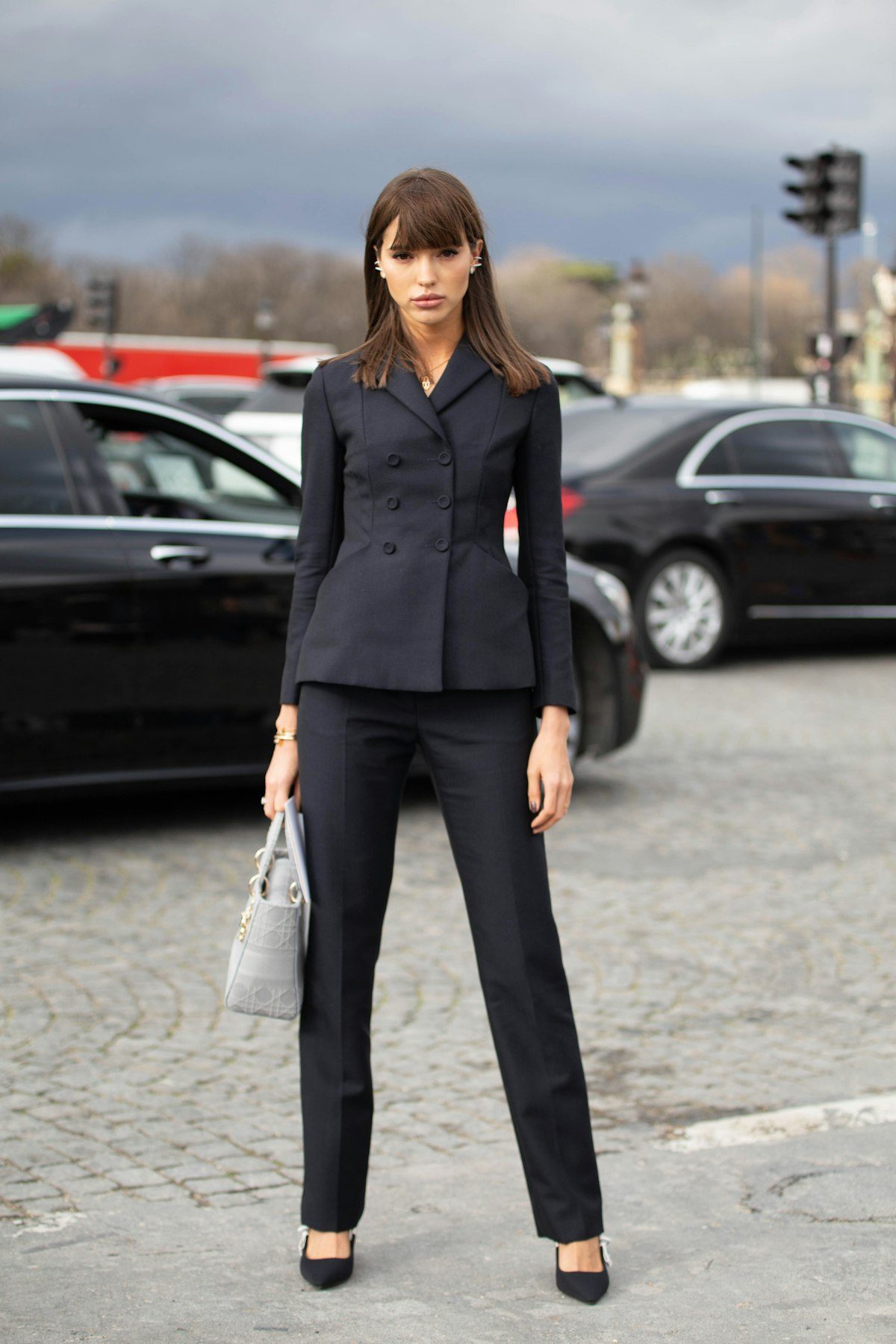
A capsule wardrobe is useful when it reduces decisions without narrowing your life. It becomes less useful when an arbitrary item count asks you to ignore work clothes, weather changes or the fact that laundry happens once a week. Begin with an honest calendar. A week of school runs and home working needs a different balance from office meetings, travel and regular evening events. Your clothes should reflect that difference.
Audit activities before counting garments
Write down how you spend an ordinary seven days. Include walking, commuting, household tasks and the occasions that genuinely recur. Then note the outfits you reach for during those activities. You may discover that three attractive blazers serve a single monthly meeting while your everyday trousers are wearing out. That is a practical buying signal, not a personal style failure.
Set aside clothes that fit your current body and routine. Keep special occasion items separately if they are useful but not part of daily rotation. A capsule does not require donating everything outside its main colour palette. It is a working group within a wardrobe, and it can coexist with sentimental clothing, seasonal equipment and expressive pieces you enjoy occasionally.
Build around complete outfits
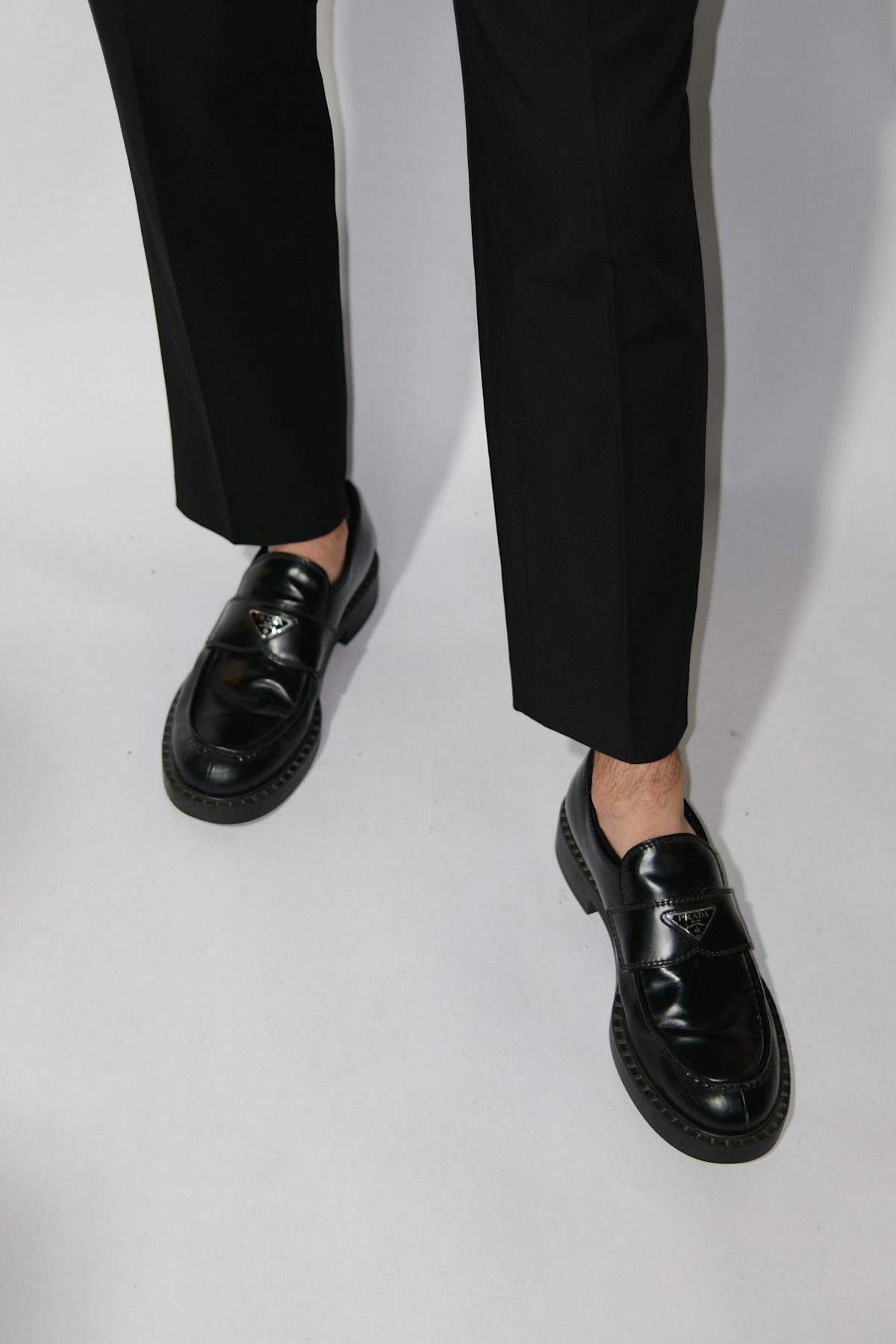
Choose two or three bottoms that suit your most frequent activities. Add tops that work with at least two of them, then a layer and shoes appropriate to the weather. Photograph complete combinations with the shoes included. A collection of coordinated garments is not yet a practical wardrobe if the only compatible shoes hurt or outerwear does not fit over the sleeves.
Allow duplication where your routine requires it. If you wear a clean shirt every office day, two shirts may not be enough between washes. If trousers need drying time, a second reliable pair can reduce stress. Efficiency comes from matching supply to use, not from proving that you can survive with the smallest possible number.
| Recurring need | Useful foundation | Check |
|---|---|---|
| Office days | Comfortable trousers and interchangeable tops | Laundry frequency |
| Walking errands | Practical shoes and flexible layers | Weather coverage |
| Casual dinners | One adaptable outfit upgrade | Actual frequency |
Choose a palette without removing personality
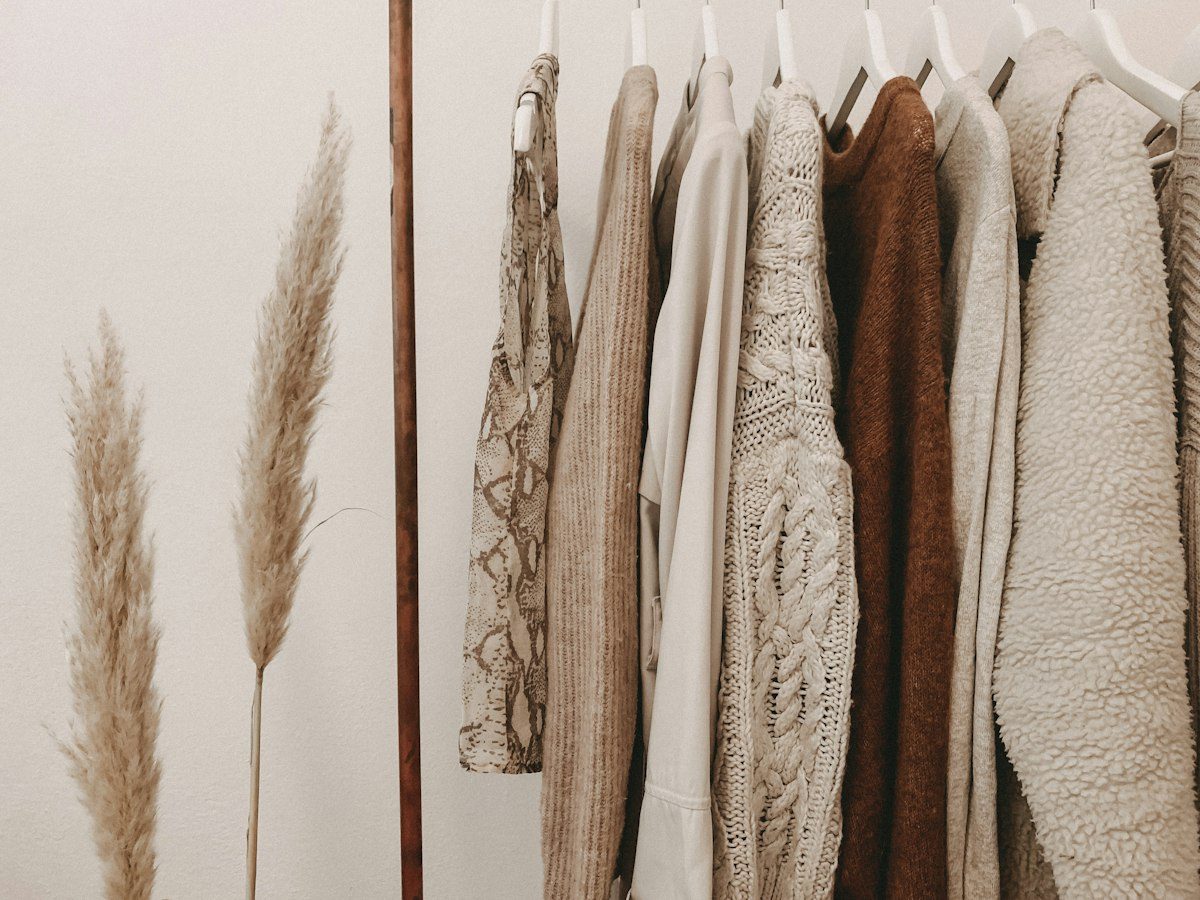
Start with colours already present in your favourite outfits. Navy, cream and red can be as workable as black, white and grey. A patterned dress can belong if it coordinates with your outerwear and shoes. The test is whether pieces cooperate, not whether they look like a minimalist social-media photograph when hanging together.
Keep one or two expressive options if they make daily dressing enjoyable. A colourful cardigan, printed shirt or unusual earring can change the mood of repeated foundations. These pieces do not need to be equally versatile, provided the less versatile choices are deliberate. An entirely interchangeable wardrobe is only useful if you want to wear it.
Make a gap list with evidence
After two weeks of using your selected group, record the moments when dressing became awkward. Perhaps you lacked a washable top for a warm office or a jacket that accommodated knitwear. Write the required features before looking at shops. This prevents an appealing sale item from replacing the practical purchase that would solve the problem.
You can compare shirts and blouses at UNIQLO or browse Nordstrom clothing. Use current item measurements, composition and care guidance to assess a possible gap-filler. No individual product has been tested for this guide, and a category page is a starting point rather than a recommendation to buy everything shown.
Let the capsule change
Review the group when weather or your schedule changes. Replace worn items only after checking whether their role still matters. Keep a small note of successful outfits and problematic gaps; this is more informative than repeatedly restarting the entire wardrobe. If you are bored, restyle an existing piece before assuming boredom means a large purchase is necessary.
FAQ
How many pieces should I include?
Use enough for your activities and laundry cycle. A universal number cannot account for climate, dress codes or personal preference.
Can a capsule contain prints?
Absolutely. Look for connections with existing layers and shoes. A repeat-worn printed garment can be more useful than a neutral that never leaves the hanger.
Our approach
Start with what you own, identify a real gap, then compare fit, materials, care and return terms before buying. Availability and prices can change. Read our editorial policy or send a correction.