A large brush set looks reassuring until half the shapes remain a mystery. Most everyday routines are easier to shop for when each tool has a named job. Perhaps you want softer powder placement, a smaller brush for a cream product or an eye brush that fits the area you actually blend. Start with that task, and the difference between a useful purchase and an attractive bundle becomes much clearer.
Map tools to products you already use
Write down the makeup you reach for on a normal weekday, rather than the routine you might attempt once at a party. Beside each product, note how you apply it now and what bothers you. If nothing bothers you, there may be no missing brush. A tool should improve access, control or the finish you want; it does not need to exist simply because a tutorial includes it.
Check the product's application guidance before choosing a tool. A brand may recommend fingers, a sponge or a particular brush style for a formula. That information is a better starting point than assuming every liquid needs the same dense brush or every powder needs the largest fluffy one. Read individual brush descriptions too, since similar-looking tools can be designed for different uses.
Compare by shape and control
| Shape | Potential role | Tradeoff |
|---|---|---|
| Large rounded brush | Broader powder placement | Less precision in small areas |
| Smaller tapered brush | More selective placement | Slower across large areas |
| Compact face brush | Controlled blending where recommended | Can encourage too much product if overloaded |
| Small eye brush | Placement within a smaller area | Size must suit your own preferred technique |
This table describes practical geometry, not a guarantee about a particular tool's performance. Bristle density, flexibility and the formula you use all matter. If shopping in person, check the handle and overall balance where permitted. Online, look for dimensions and photographs that show scale rather than judging only by a tightly cropped product image.
Make care part of the purchase decision
A brush that requires a care routine you will not maintain is less useful than its attractive finish suggests. Read the manufacturer's cleaning instructions, including suitable cleanser, rinsing and drying method. Avoid assuming that all bristles, handles and glued sections tolerate the same treatment. Follow the instructions for your exact tool, and do not pack it away while still damp.
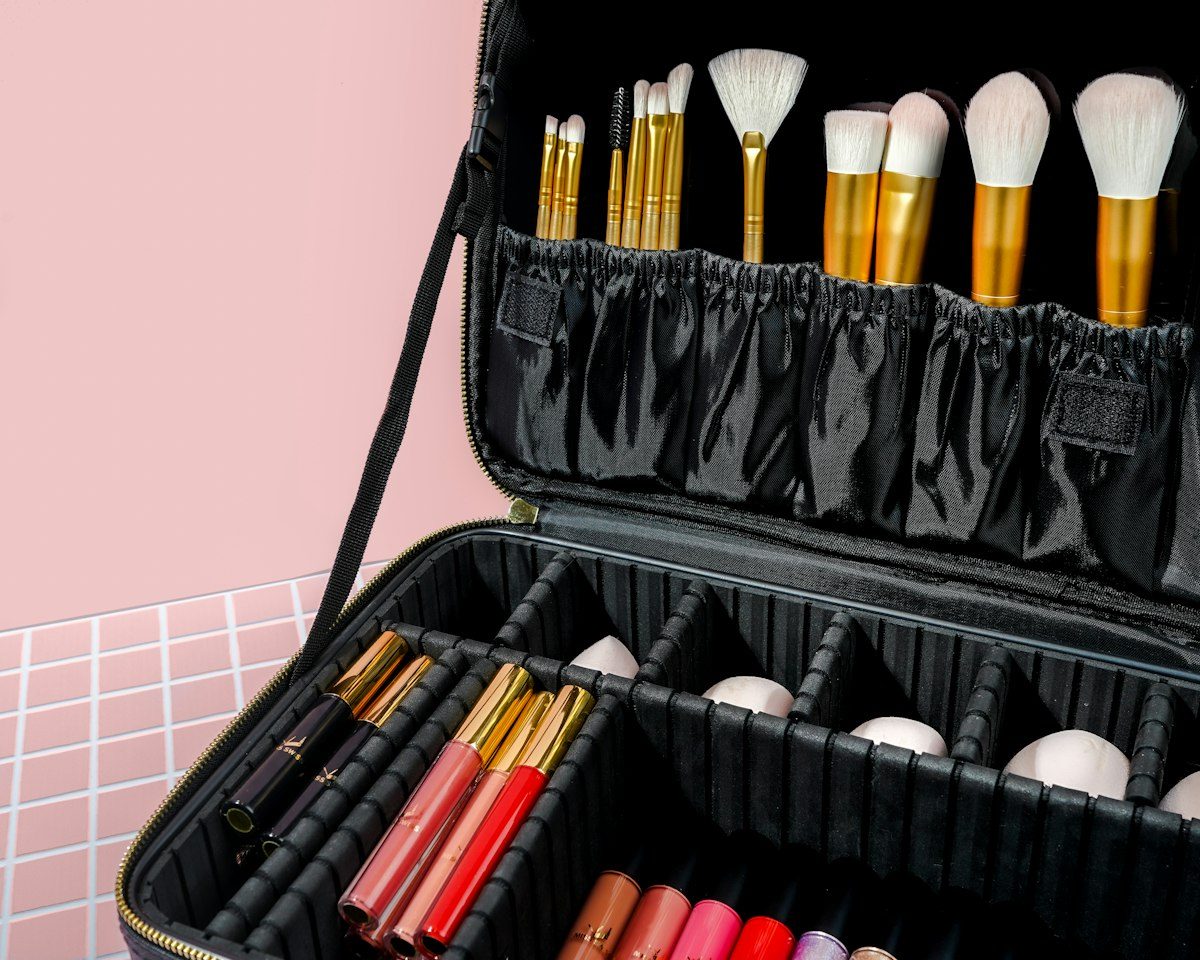
Arrange somewhere appropriate for cleaned brushes to dry without being crushed, following the maker's directions. Then give dry tools a storage space where the heads are not being pressed sideways. If you travel regularly, a protective case may solve that issue. At home, a drawer with enough clearance can be as practical as an elaborate brush display.
When a set makes sense
A set can be economical when you can identify a use for most of its contents and like the handle style. Count the tools you would buy separately, then compare the total with the set price. Do not count unused brushes as savings. For a beginner, one well-chosen face brush and one appropriate eye brush may offer more clarity than a collection of near duplicates.
Compare current tools in e.l.f.'s official brush collection. Use the individual product pages to check purpose and care details. Our selection framework is based on use cases and published information, and does not represent a hands-on brush comparison.
Before placing an order
- Name the product and step the brush will serve.
- Check the head size, handle length and recommended use.
- Read the exact cleaning and drying directions.
- Decide where the tool will live at home and during travel.
- Skip duplicates unless a clear second purpose justifies them.
Frequently asked questions
Must all my brushes come from one brand?
No. A coordinated appearance is optional. Match each tool to its task and care requirements rather than replacing working tools merely to create a set.
Can one brush do several jobs?
Sometimes, if its maker's guidance and the products permit it. Consider whether switching products creates unwanted colour mixing, and clean the tool as directed rather than treating versatility as a reason to ignore care.
When should I replace a brush?
Follow the manufacturer's guidance and assess its condition. A damaged handle, loose sections or a head that no longer functions properly are reasons to investigate replacement. There is no universal lifespan that applies to every construction and routine.
Our approach
Start with what you own, identify a real gap, then compare fit, materials, care and return terms before buying. Availability and prices can change. Read our editorial policy or send a correction.