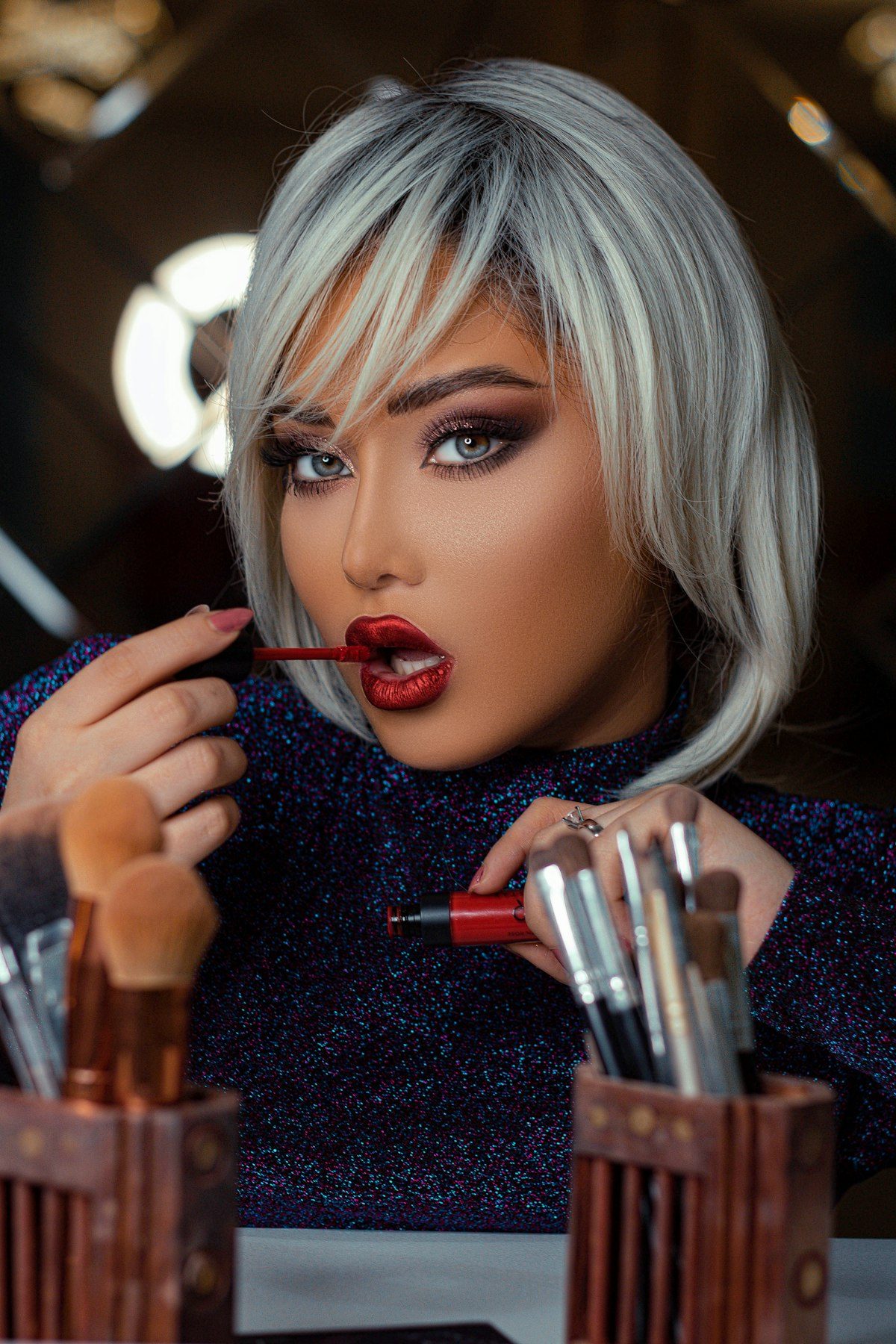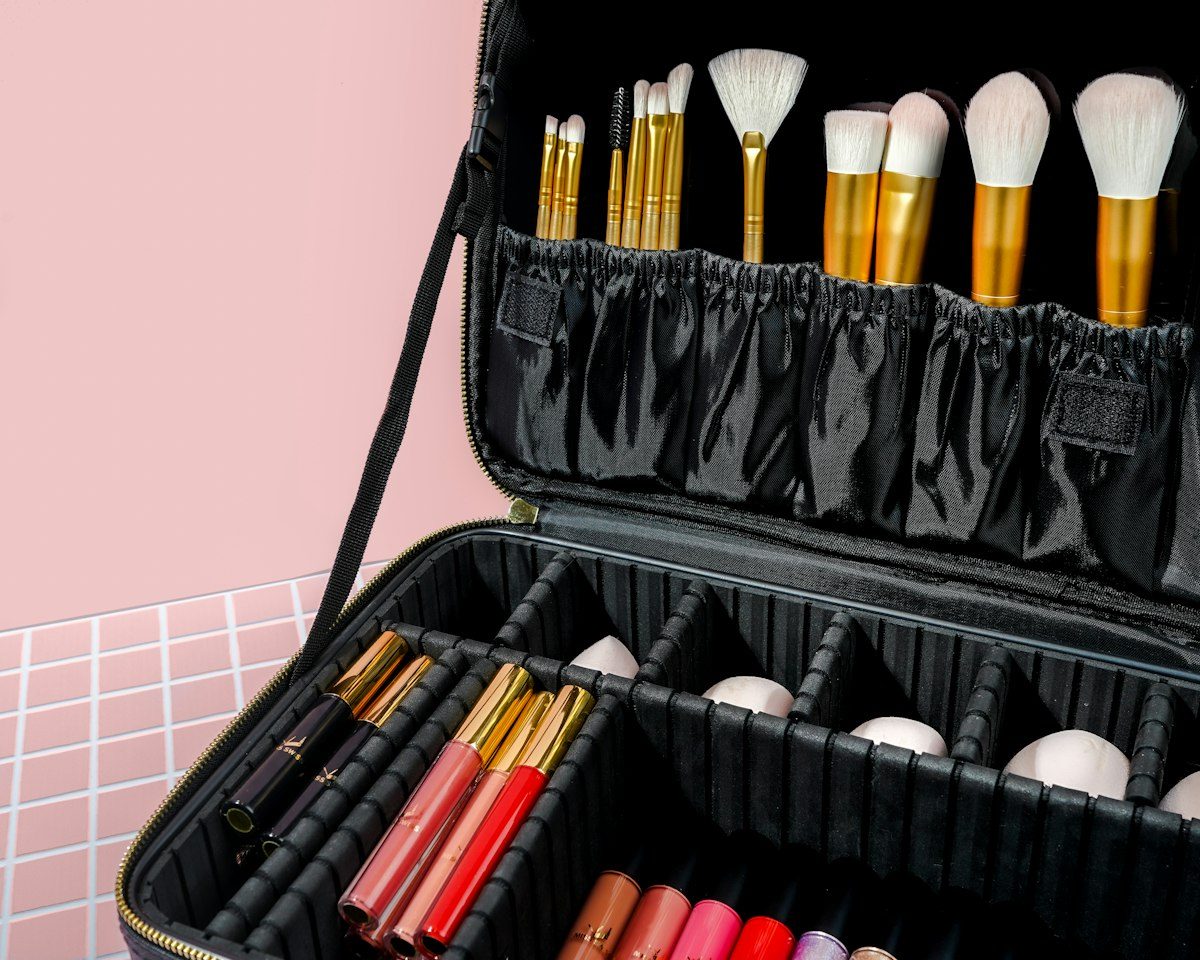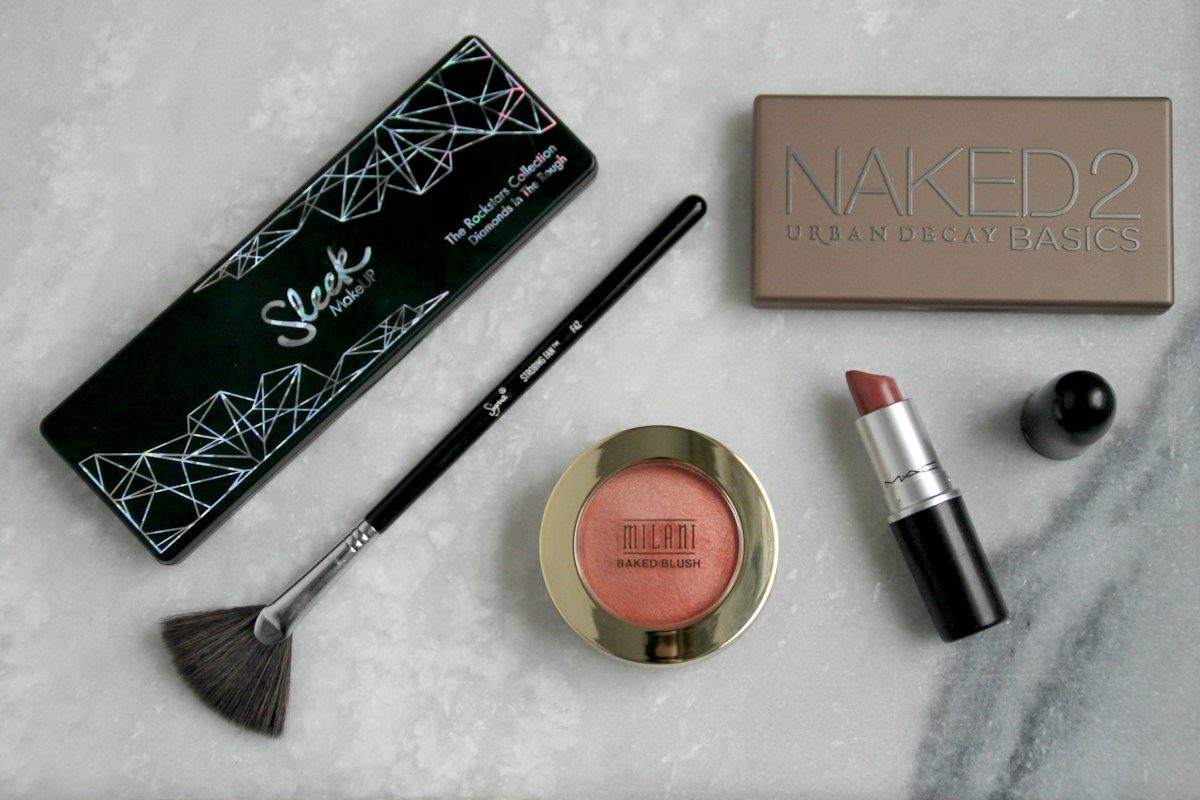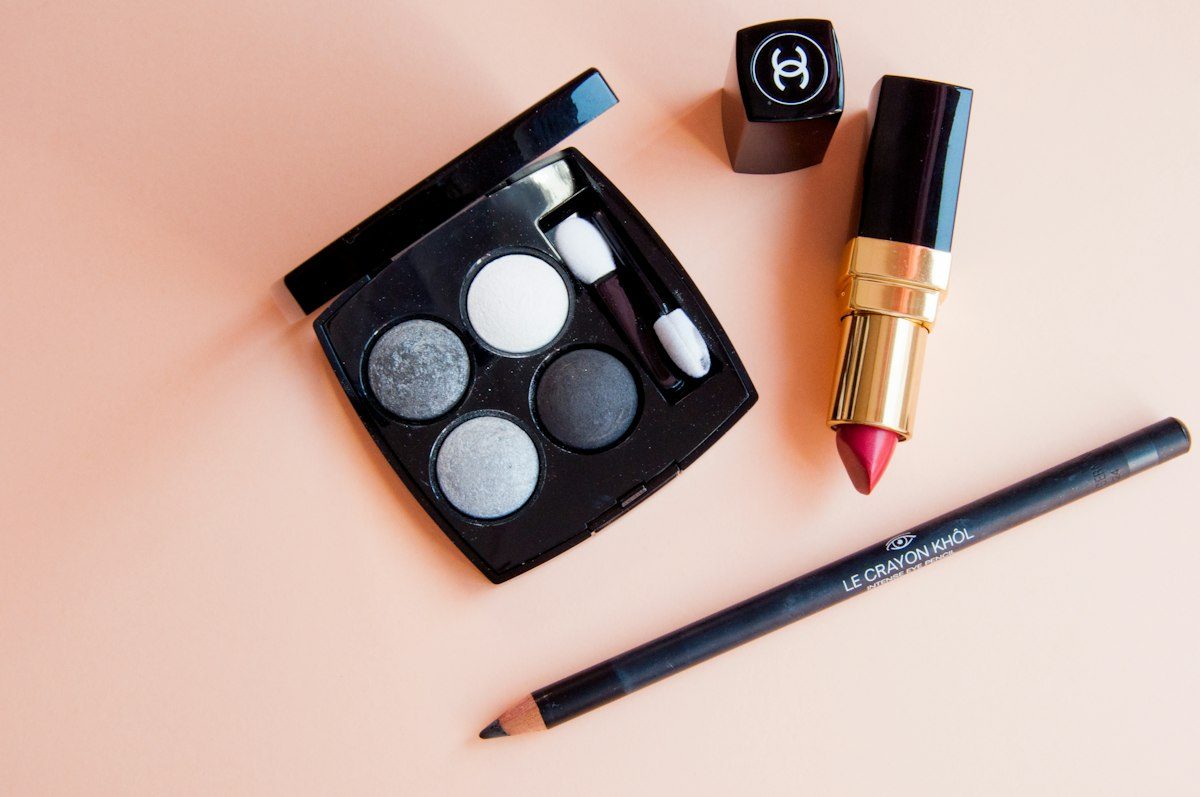
A beautiful lip colour can sit untouched because it belongs to an imaginary evening, rather than the days you actually have. The more useful question is where you want to wear it: a school meeting, a desk lunch, a wedding reception or Saturday coffee. Colour matters, but so do the finish, the shape of the applicator and whether you want to reach for a mirror after eating.
Pick your maintenance level first
If you prefer a quick swipe while leaving the house, start by comparing sheer colour and tinted balm formats. They generally make a softer visual statement than a fully opaque lipstick, though the result depends on the individual formula and your own lip colour. If you enjoy a crisp outline, an opaque lipstick may be more satisfying. Neither choice is more grown-up or more stylish; they simply ask different things of your routine.
For dinner, choose something you are comfortable checking between courses rather than expecting a universal promise of all-night wear. Labels such as long-wearing are useful clues to investigate, not guarantees under every meal and every application. Read the directions for the actual item, including any removal guidance, before making it the centre of an important occasion.
Compare the formats
| Format | Best starting scenario | Possible compromise |
|---|---|---|
| Sheer tinted product | Casual mornings and easy touch-ups | Less dramatic colour payoff |
| Cream lipstick | A defined look with flexible intensity | May need a mirror for a neat edge |
| Gloss | A visibly shiny finish | Texture and transfer preferences vary |
| Opaque matte colour | A deliberate statement lip | Precise application takes more attention |
Use your wardrobe as a colour reference
Lay out three tops you wear regularly: a neutral, a favourite colour and something for evenings. Imagine the lip colour beside each. A muted rose might feel easy with a grey cardigan, while a warmer red could give a plain white shirt the emphasis you want. These are combinations to explore rather than rules about age, hair colour or who is allowed to wear brightness.
Look at swatches on more than one person where the retailer provides them. Your natural lip colour affects the appearance of a sheer formula, so a promotional swatch cannot promise an exact match. In-store testers should be used according to the retailer's hygiene procedure; do not improvise by applying a shared tester directly to your lips. Online, check whether the colour images show the product itself, an arm swatch or the finished lip.
Buy one useful colour before a whole collection
It is tempting to order the pale everyday shade, the bright weekend shade and the statement evening shade together. Begin with the one you can name three occasions for this month. Try it with the clothes you already own, then notice whether you want a different colour or merely a different finish. A second product should answer something specific, rather than repeat the first because its packaging is different.
Browse lip formats in e.l.f.'s official collection as one starting point for comparison. Check the individual shade, ingredient information and application directions. We link to the collection for current browsing and have not performed a wear test of its products. Local stock, shade names and terms may differ.
A small buying checklist
- Decide whether you want subtle colour, shine or a crisp statement.
- Check that the applicator fits the way you apply makeup.
- Read the product directions and the relevant returns policy.
- Avoid buying a duplicate of a shade you already leave unused.
Frequently asked questions
Must lipstick match my blush exactly?
No. Start with the overall effect you like when you look at your face and outfit together. Keeping one area softer can make a strong colour easier to enjoy, but exact matching is optional.
What if a bright shade feels too formal?
Try it with uncomplicated clothes and fewer competing accessories. If the formula allows it, a lighter application may feel more comfortable. You can also choose a sheerer format rather than forcing a product into a role it was not designed for.
Is a gift set good value?
Only if you will use its contents. Divide the cost by the products you actually want, and compare that with buying one useful item. Unworn colours do not become bargains because they arrived together.
Our approach
Start with what you own, identify a real gap, then compare fit, materials, care and return terms before buying. Availability and prices can change. Read our editorial policy or send a correction.